
When people first learn about gambling games, they usually hear one simple explanation. Casino games are based on mathematics. Cards follow strict rules. Dice follow probability. Slot machines run on programmed algorithms.
On paper, everything seems logical and predictable.
And that is true to a large extent. Mathematics is the foundation of every casino game.
But if you spend enough time watching real players inside a casino or even playing online, you will notice something interesting. People do not always behave the way mathematics suggests they should. Their emotions slowly begin to guide their decisions.
Excitement, frustration, hope, and fear all start influencing how people play.
Once emotions enter the picture, the clean and predictable world of numbers becomes far more complicated.
This is where psychology begins to compete with mathematics.
The Calm World of Mathematical Probability
Mathematics has one major advantage over human emotion. Numbers do not panic, celebrate, or feel pressure. They simply follow the rules of probability.
Every casino game is built on these fixed rules.
For example:
| Game | Mathematical Probability Example |
| Coin flip | 50 percent chance of heads |
| Dice roll | 1 in 6 chance of any number |
| European roulette | 1 in 37 chance of hitting a single number |
| Blackjack | House edge often around 0.5 percent with optimal strategy |
These probabilities remain constant no matter what happened in the previous round.
A roulette wheel does not remember the last spin. Cards shuffled into a deck have no memory of the previous hand. A slot machine generates a completely new outcome for every spin.
Casinos rely heavily on this consistency. Every game contains a small mathematical advantage for the house, often called the house edge.
Even if the advantage is only a few percent, it becomes powerful over time. Millions of bets slowly tilt the overall results in the casino’s favor.
Mathematically speaking, the system is stable and predictable.
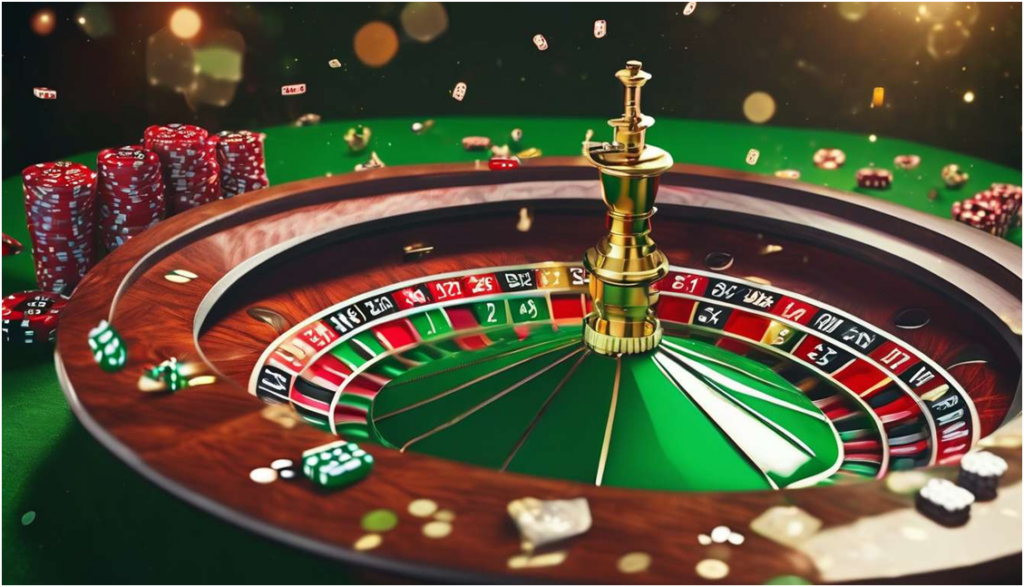
Roulette is a perfect example of mathematical probability in action. Each spin is independent and the odds remain constant regardless of previous results.
Humans Do Not Think Like Calculators
While math stays calm and consistent, human behavior is very different.
People respond to wins and losses emotionally. These emotions influence decisions far more than most players realize.
A player who wins two or three rounds in a row may start feeling confident or lucky. Their excitement grows and they may increase their bet size.
At that moment the player feels like momentum is on their side.
But from a mathematical perspective, nothing has changed.
The probability of the next outcome is exactly the same as before.
The opposite situation is just as common. A player who loses several rounds in a row may start feeling frustrated or impatient. Instead of slowing down, they might begin increasing their bets in an attempt to recover losses quickly.
Psychologists often describe this behavior as loss chasing, and it appears frequently in gambling environments.
The Gambler’s Fallacy
One of the most famous psychological mistakes in gambling is known as the gambler’s fallacy.
This is the belief that previous outcomes influence future ones.
For example, imagine a roulette wheel landing on black five times in a row. Many players start believing that red must be coming soon because black has appeared too often.
In reality, the next spin still has the exact same probability.
A famous real example occurred in 1913 at a casino in Monte Carlo. The roulette wheel landed on black 26 consecutive times, and gamblers lost millions betting on red because they believed the streak had to end.
Mathematically, the wheel was simply producing random outcomes.
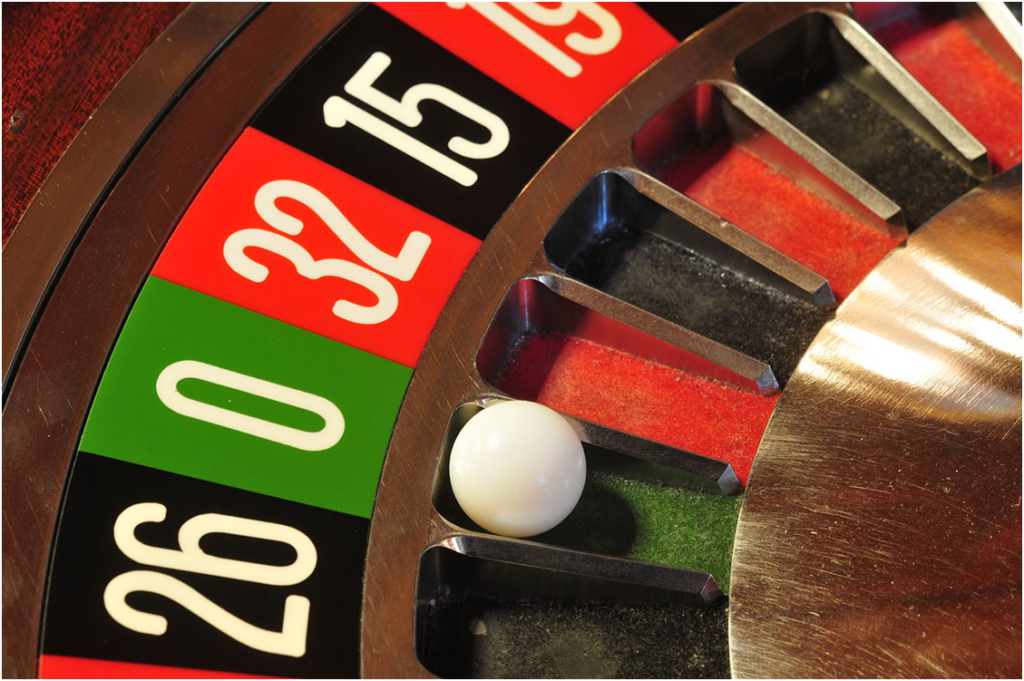
Random events often create streaks that look meaningful to the human mind, even though they are simply normal patterns of probability.
How Emotions Affect Player Decisions
Research in behavioral psychology shows that people react more strongly to losses than to gains. This effect is known as loss aversion.
Studies in behavioral economics suggest that the emotional impact of losing money can feel twice as strong as the pleasure of winning the same amount.
This imbalance affects gambling decisions in several ways:
- Players may increase their bets after losses to recover money faster.
- Players may stay longer than planned because they want to end the session with a win.
- Players may ignore logical betting strategies when emotions rise.
These emotional reactions gradually move players away from rational decision making.
What Real Players Say
If you read discussions in gambling communities, you will notice many players describing emotional moments that influenced their choices.
One experienced blackjack player once wrote:
“I know the correct strategy for every hand, but after a losing streak I sometimes stop following it. Emotion makes you want to fight back.”
Another slot player shared this experience:
“The biggest mistake I make is increasing my bet after a win because I feel lucky. Sometimes it works, but most of the time the streak ends immediately.”
These comments show how quickly emotions can override logic.
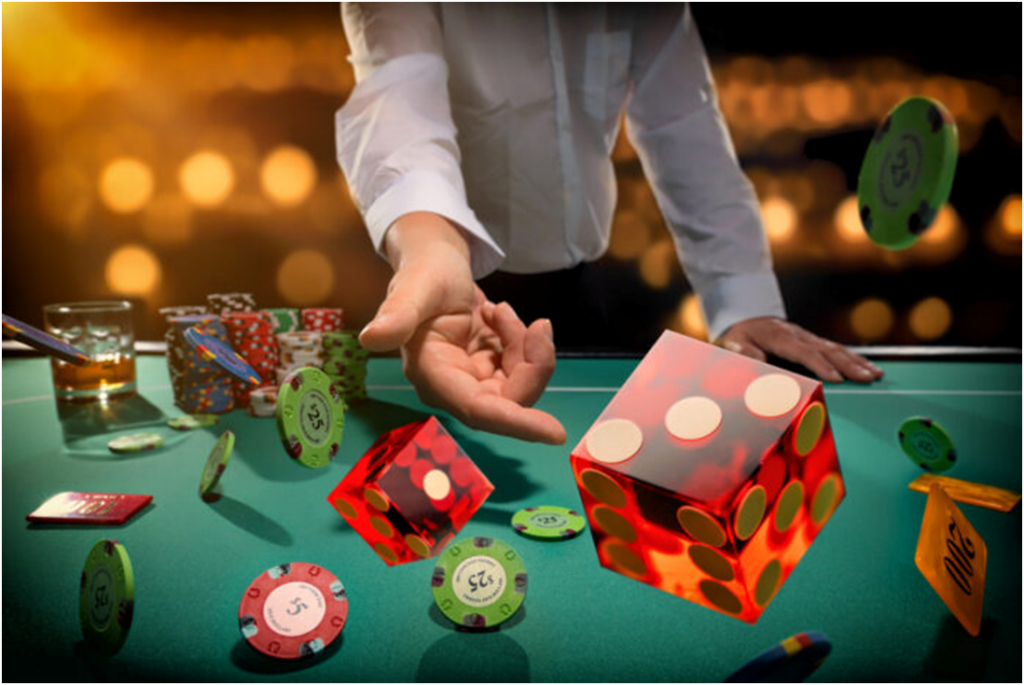
Casino environments are carefully designed with lights, sounds, and celebratory animations that amplify emotional reactions to wins.
Casinos Understand Player Psychology
Casinos know that gambling is not only about numbers. It is also about human behavior.
That is why casinos carefully design their environments to influence emotions.
Some common psychological design features include:
| Casino Feature | Psychological Effect |
| Bright lights and sounds | Create excitement and stimulation |
| Celebration sounds after wins | Make wins feel larger |
| Comfortable seating | Encourage longer play sessions |
| No visible clocks | Reduce awareness of time passing |
These small details help create an atmosphere where emotions remain active, which keeps players engaged longer.
The Balance Between Math and Emotion
At the end of the day, gambling exists at the intersection of two very different forces.
Mathematics provides the structure. It defines probabilities, odds, and long term outcomes.
Psychology provides the human experience. It shapes how players react to wins, losses, and uncertainty.
Without mathematics, casino games could not function fairly.
Without emotion, gambling would lose much of its excitement and appeal.
This balance explains why gambling has remained popular for centuries.
Every time a player places a bet, both forces are present at the table.
The numbers quietly follow their rules.
Meanwhile, the human mind experiences hope, excitement, frustration, and curiosity all at once.
That quiet tension between logic and emotion is what makes gambling such a fascinating part of human behavior.