

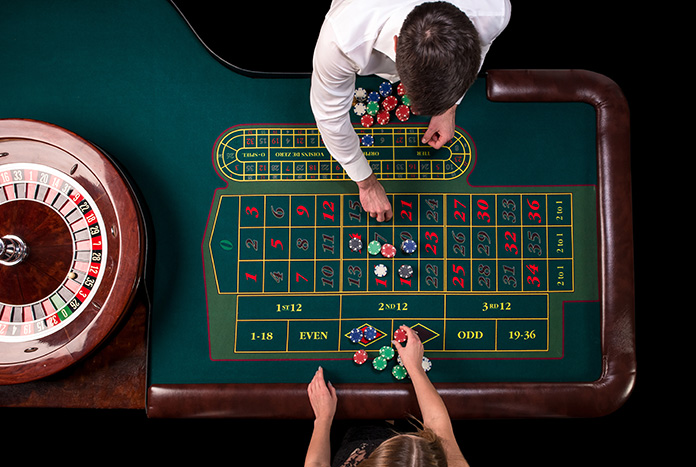
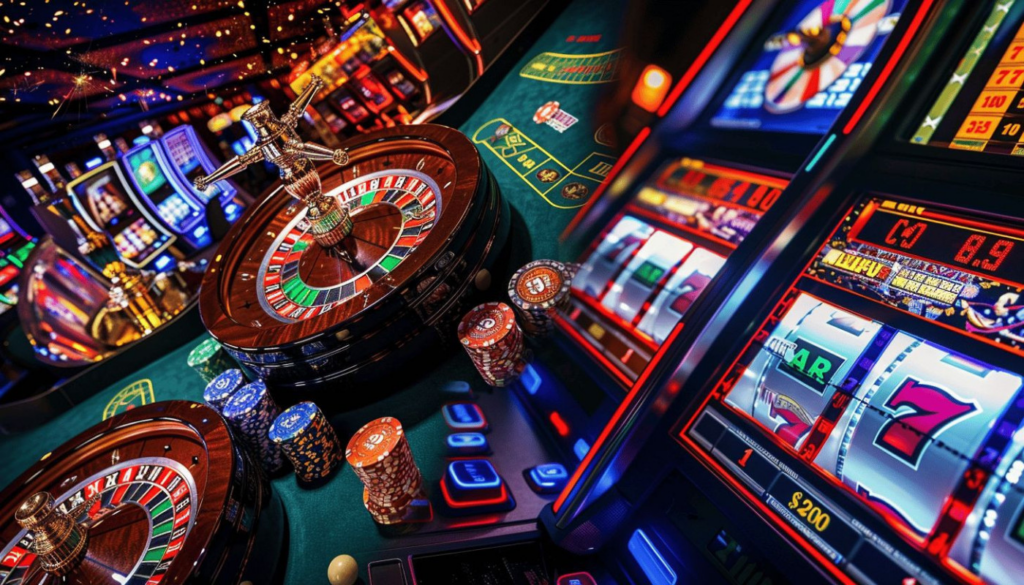
Casinos are built to feel exciting the moment you walk in. Lights flash from every direction. Machines ring with winning sounds. Dealers shuffle cards while people cheer around the tables.
For many visitors, the thought is simple: maybe today will be lucky.
But beneath all that excitement sits a quiet mathematical system that keeps casinos profitable. Casinos are not built on luck alone. They are built on probability.
Every game has a small built-in advantage called the house edge. This is the mathematical percentage the casino expects to keep over thousands or millions of bets.
It does not mean every player loses. In fact, casinos pay out millions in winnings every day. But over time and across many players, the numbers slowly tilt toward the house.
Let’s take a deeper look at how much casinos actually keep from different games.
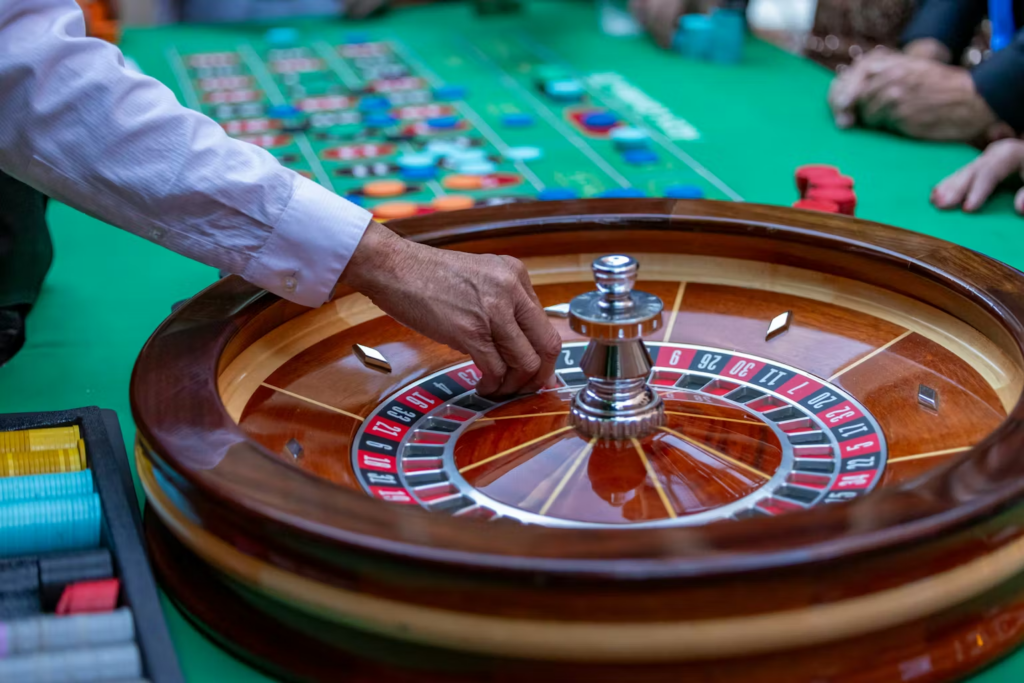
The House Edge: The Quiet Engine of Every Casino
Before breaking down individual games, it helps to understand the core idea behind casino profits.
The house edge represents the casino’s expected profit on each bet. For example:
- If a game has a 1% house edge, the casino keeps about $1 for every $100 wagered over the long run.
- If the house edge is 5%, the casino keeps about $5 per $100 wagered.
Across thousands of players and millions of bets, these small percentages turn into enormous revenue streams.
According to gambling statistics, most casino games fall into these approximate ranges:
| Game | Typical House Edge |
| Blackjack | ~0.5% |
| Baccarat (banker bet) | ~1.06% |
| Craps (pass line) | ~1.41% |
| European Roulette | ~2.7% |
| American Roulette | ~5.26% |
| Slot Machines | 2% – 15% |
These numbers explain why casinos can afford luxury hotels, massive entertainment venues, and billion-dollar buildings. The math is working constantly in the background.
Blackjack: One of the Smallest Casino Advantages
Blackjack has long been considered one of the most player-friendly casino games.
The reason is simple: player decisions matter.
Unlike pure chance games, blackjack allows players to make strategic choices such as:
- Hit
- Stand
- Double down
- Split pairs
When players follow basic strategy, the casino advantage can drop to about 0.5%.
That means if a player bets $10,000 over many hands, the casino might keep around $50 on average.
Professional blackjack players sometimes even try to turn the math in their favor using techniques like card counting. Famous teams like the MIT Blackjack Team reportedly earned millions using advanced strategies in the 1990s.
However, casinos watch for this carefully and often ban skilled counters.
As one gambling forum user explained:
“Blackjack with proper strategy has one of the lowest house edges in any casino game around half a percent.”
Still, most casual players do not play perfectly, which increases the casino advantage.
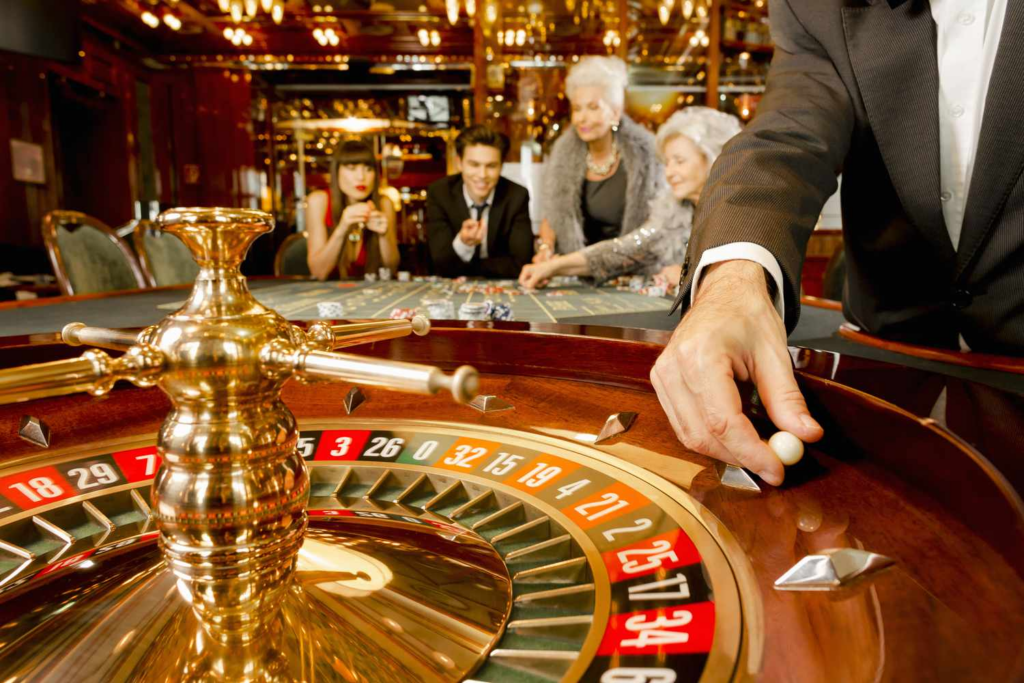
Roulette: Where the Wheel Creates the Profit
Roulette looks simple a spinning wheel and a bouncing ball.
But the casino advantage comes from a tiny detail: extra zero pockets.
There are two main versions of the game:
European Roulette
- 37 pockets (numbers 1–36 + 0)
- House edge: ~2.7%
American Roulette
- 38 pockets (numbers 1–36 + 0 + 00)
- House edge: ~5.26%
That small extra pocket almost doubles the casino advantage.
For example:
If 100 players each bet $100 repeatedly on roulette, the casino expects to keep roughly $5.26 per $100 wagered on the American wheel over time.
That difference is why experienced players often prefer European roulette tables.
Craps: A Game With Many Different Edges
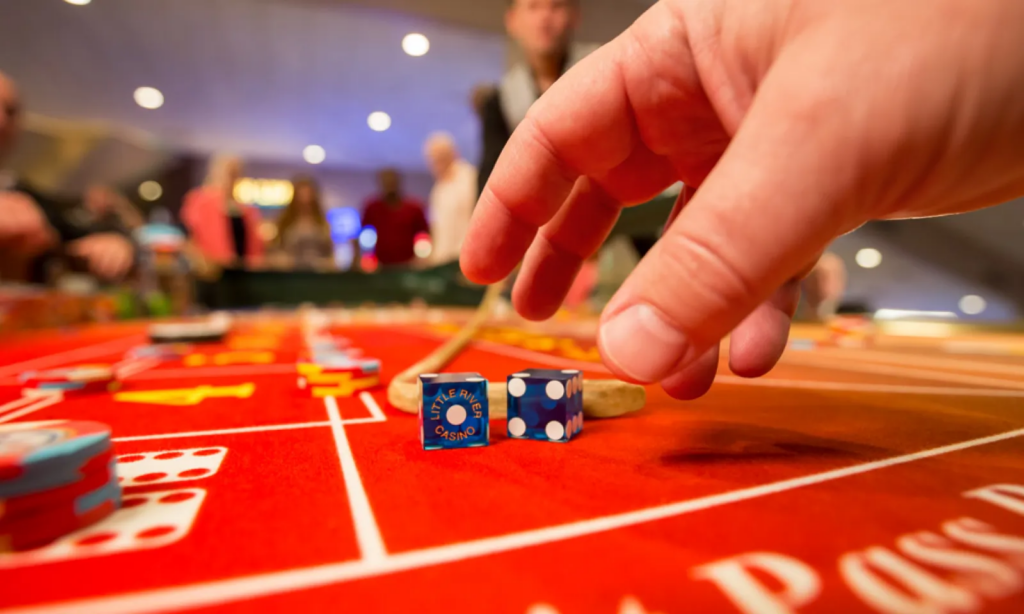
Craps tables are often the loudest spots in a casino.
Players gather around the table cheering as dice roll across the felt.
But craps has something interesting: different bets have very different house edges.
Examples:
| Bet Type | House Edge |
| Pass Line | ~1.41% |
| Don’t Pass | ~1.36% |
| Field Bet | ~2.8% |
| Proposition Bets | Up to 16%+ |
Some bets are relatively fair, while others strongly favor the casino.
Because of this, experienced craps players stick to a small group of safer bets.
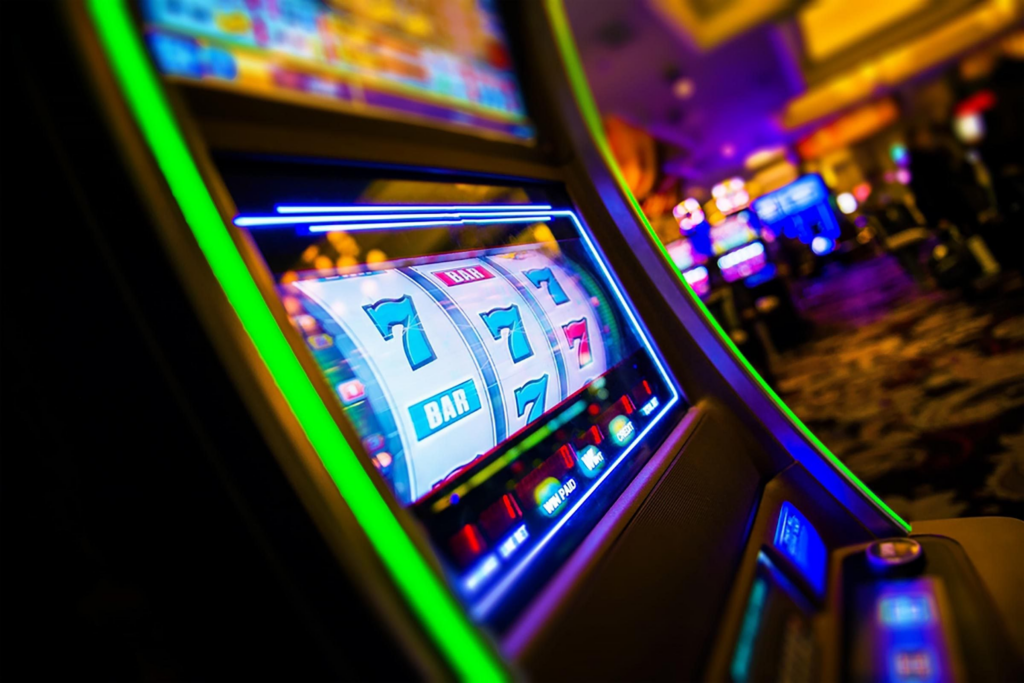
Slot Machines: The Real Money Makers
Slot machines are the most profitable part of most casinos.
They are simple to play:
- Insert money
- Press spin
- Watch the reels
But behind the scenes, slot machines run on algorithms called RNGs (random number generators) that determine results instantly.
Slots typically have Return to Player (RTP) percentages between 90% and 97%.
That means the house edge is roughly 3% to 10% or more.
Here is a simple example:
- A slot with 96% RTP returns $96 for every $100 wagered.
- The casino keeps about $4.
That may seem small, but slot machines run hundreds of spins per hour across thousands of machines.
One gambling analyst once said:
“Slot machines are the economic backbone of modern casinos.”
And the numbers support that idea in many casinos, over 70% of gambling revenue comes from slots.
Poker: Where the Casino Takes a Small Cut
Poker is different from most casino games.
In many poker formats, players compete against each other, not against the casino.
So how does the casino make money?
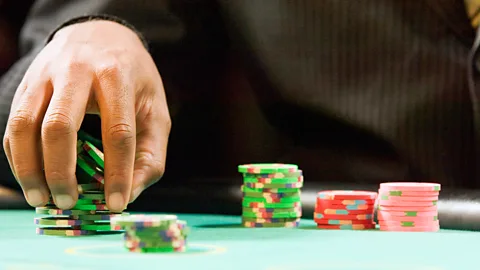
Through something called the rake.
The rake is a small percentage taken from each pot.
Example:
- Players build a pot of $100
- Casino takes $3–$5
- Winner receives the rest
Some casinos also charge tournament entry fees or hourly seat charges.
Professional poker players accept this system because skill can overcome the rake over time.
As one online poker player wrote:
“The casino doesn’t need to beat you at poker. It just needs to host the table and take a small slice every hand.”
Why Casinos Still Make Billions
When you look at each game individually, the house advantage seems small.
But casinos rely on three powerful forces:
1. Massive Volume
Millions of bets happen every day.
2. Small Mathematical Edges
Even a 1–5% advantage becomes huge with enough bets.
3. Continuous Play
Players rarely stop after one bet. They play dozens or hundreds.
A gambling math expert once summarized it perfectly:
“Casinos don’t depend on a single lucky night. They depend on millions of small advantages.”
Over time, probability does the rest.
The Real Exchange Between Players and Casinos
At the end of the day, casinos are not just gambling venues.
They are entertainment businesses.
People go for the excitement:
- the thrill of a big win
- the sound of chips hitting the table
- the spinning roulette wheel
- the flashing lights of slot machines
Most players understand the odds are not in their favor.
Yet they still play because the experience itself can be fun.
And that is the real exchange inside every casino.
The house keeps a small percentage of the bets.
Players keep the excitement, the stories, and sometimes if luck is on their side a memorable win.